The Wrong Market: What the Adidas World Cup Story Reveals About Craft
We've spent decades trying to get artisans into markets that were never designed for them
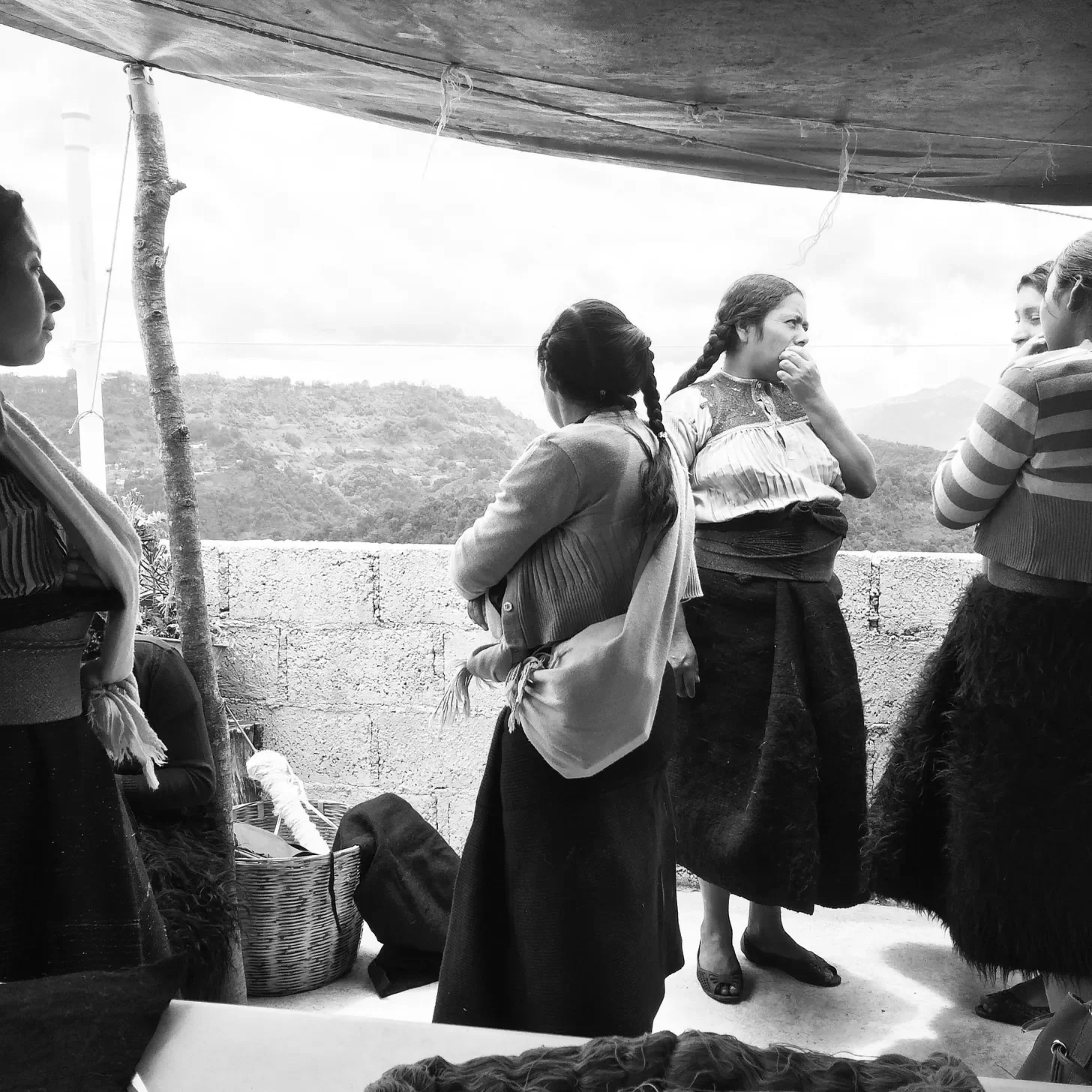
Kiptik Artisans in Chamula, Chiapas, Mexico
Last week, The New York Times published a story about a group of Indigenous women in Puebla, Mexico who were commissioned to hand-embroider limited-edition Adidas jerseys ahead of the World Cup. The collaboration was celebrated by some as a model of inclusion and economic opportunity. Others questioned whether the women were compensated fairly, whether their cultural knowledge was being appropriately valued, and what happens when centuries-old traditions are enlisted in service of a global brand and a seasonal trend cycle.
We sat with the article for a while.
Not because the tensions it raised were new. In many ways, they were deeply familiar. How do we measure impact when artisan income fluctuates with orders? What happens when makers are hired to execute trends instead of develop their own work? Is minimum wage enough? Is a country’s living wage enough? And what happens when craft becomes commodified? Ultimately, is everything made by hand craft?
All important questions that we’ve spent years wresting with.
But the longer we sat with the story, the more we felt the compensation problem - real as it is - was a symptom, not the disease. Artisans aren’t paid for what they actually contribute because the markets they operate within were never designed to value what they actually create. Ultimately, the compensation problem is a market problem.
When we look at artisan work through the lens of compensation alone, much of the conversation begins with a familiar set of ethical questions. Were the artisans paid fairly? What happens when fair trade jobs disappear after the order is complete? How many people were impacted by this collaboration? Should progress be measured against minimum wage or living wage?
But all of these questions rest on the same assumption: that the market itself is working. Or at least that it can work. But what if it isn’t? And what if it can’t?
What if the biggest issue isn’t market access but is structural? What if we’ve spent decades trying to fit artisans into markets that were never designed to value what they actually create?
That’s what we kept coming back to as we read. Not just whether the women were paid fairly for their labor. But whether the market they were operating within was ever capable of valuing the total contribution of their work in the first place.
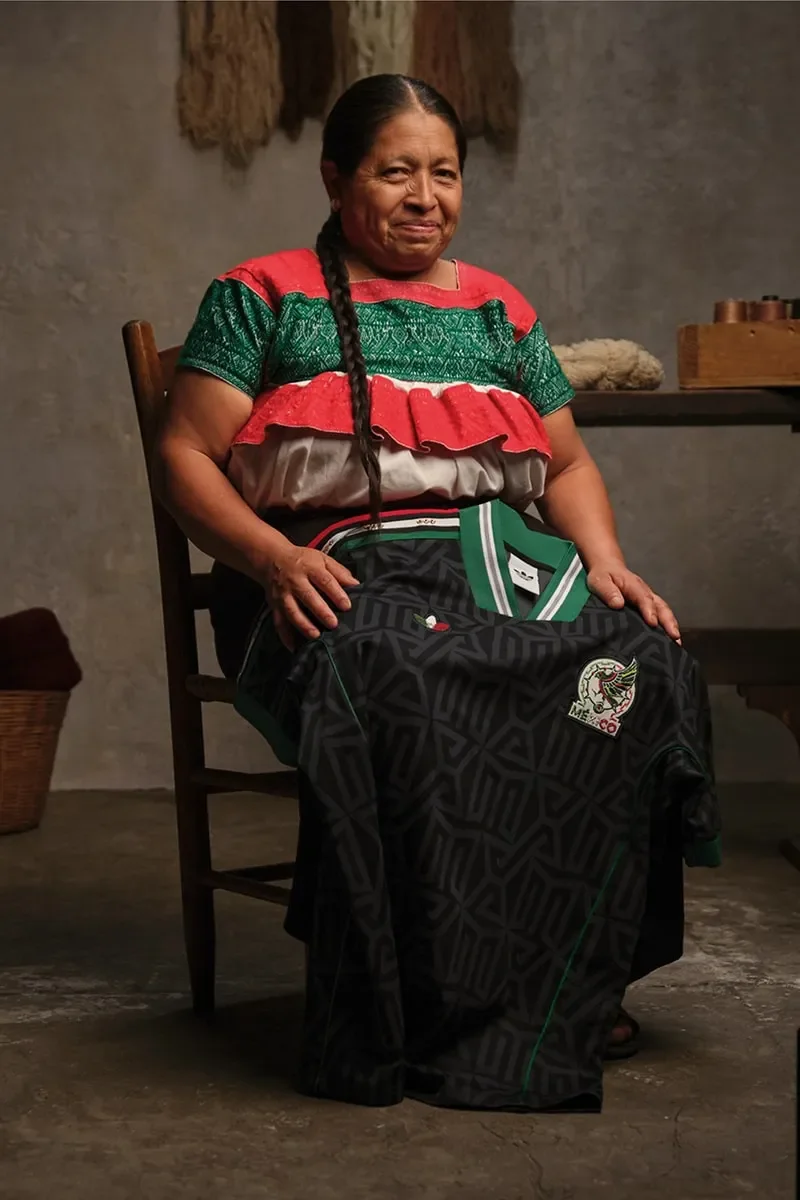
Photo courtesy of Adidas.
In the article, The New York Times described Pepenado embroidery—a traditional technique from the Sierra Norte of Puebla that can take weeks to complete—as having a “limited market.” The implication is that a limited market size has suppressed artisans’ potential.
Yet we would argue that Pepenado embroidery doesn’t have a limited market. Rather, for decades, it has had the wrong market. Pepenado embroidery is rare. It takes years to learn. It cannot be reproduced at scale. But those are not liabilities. They are the very qualities that command the highest premiums in luxury, fine art, and collectible design.
The problem is not demand. The problem is that artisan work is time and again routed into markets that reward efficiency, trend cycles, and volume- rather than into markets that value mastery, authorship, and cultural knowledge.
Instead of leading with their traditional skills, the women embroidering the World Cup jerseys were taught new techniques to meet the collaboration’s specific production standards. Which raises an honest question: why work with these women at all? Why not work with an ethical factory instead?
We believe markets exist that can match an artisan’s skill set and artistry. Perhaps we’ve just spent decades trying to fit artisans into the wrong one.
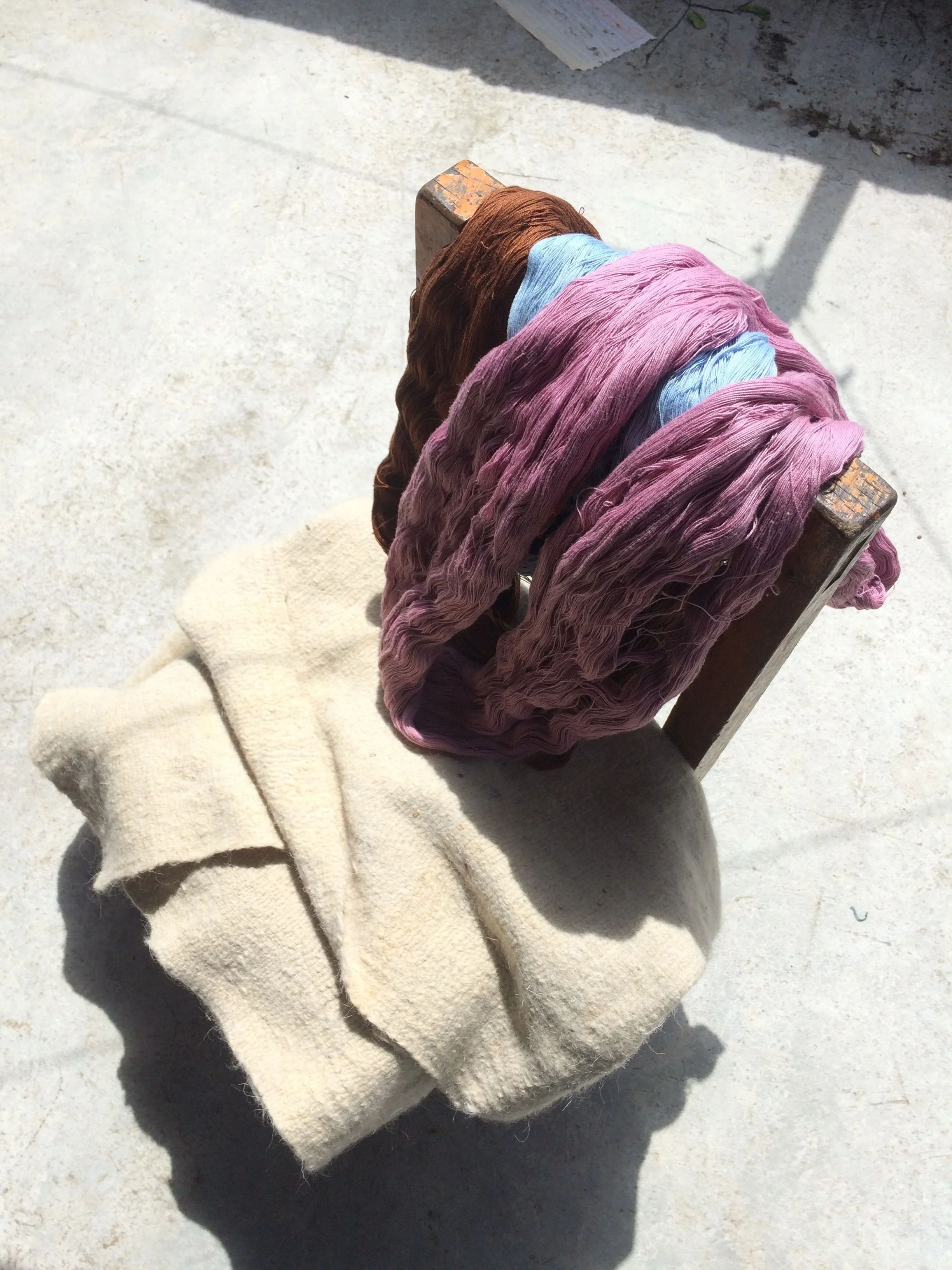
Photo by Harper, Chamula, Chiapas, Mexico
Not all markets value the same thing. Some markets reward efficiency. Others reward identity. Others reward mastery. Others reward authorship. A hotel towel, a vintage Persian rug, and a Rothko painting all enter the market through different valuation systems. One is priced by utility. One by craftsmanship. One by authorship. The mistake we’ve made as an artisan sector is treating “market access” as a singular goal, as if all markets create value in the same way. But they don’t.
In our experience, there are at least four distinct markets that artisan work can enter:
The Labor Market
This market pays purely for execution. The question is simple: Can you make this? The maker is largely interchangeable. Value comes from production capacity, speed, and cost.
The Heritage Market
This market pays for identity. Can you make this because of who you are? This is a case in which the story, culture, and provenance become valuable. The maker becomes visible, but often as a representative of a culture rather than as an individual creator.
The Craft Market
This market pays for mastery. Can you make this because you know how? In this market, value comes from skill, technique, and expertise accumulated over years or generations.
The Art Market
This market pays for authorship. Can only you make this? Value comes from originality, vision, and creative contribution. The maker is not simply preserving a tradition. They are extending it.
In this market, the highest value is not found in production volume or even technical mastery. It is found in singularity. The work carries the weight of generations of knowledge, but it is expressed through one person’s hand, perspective, and creative voice.
This is often where craft survives most powerfully. Not when it is scaled. Not when it is standardized. But when it is elevated to the level of cultural authorship.
Ultimately, the Adidas artisan story is not just about how the market is compensating artisans whose labor is being leveraged to create jerseys. The true issue might come down to a question that the artisan sector has skirted for decades, which is: What kind of market are we actually building?
Most artisan initiatives believe they are building craft markets. Yet in reality, many are operating in heritage markets. And too many are still operating in labor markets with better branding.
Artisan compensation mostly shows up as a COGS line item. The conversation on valuation tends to end there. It almost never asks what is actually being sold. And the craft itself - the mastery, authorship, and cultural knowledge accumulated over generations - rarely shows up in the cost model. The artisan is compensated for her labor and materials, but not for her creativity, her cultural knowledge, or her image in the campaign. These are the things that make the product meaningful. The things that get the story into the press. And they largely go uncompensated.
The problem is not just wages. It is how we holistically value an artisan’s full contribution to a product or a piece of work.
And for decades, the artisan sector has fought for a larger share of value within markets that were never designed to recognize the totality of that contribution. For too long, we’ve focused on helping artisans participate in existing markets rather than building markets that reward what makes their work extraordinary.
The future of craft will not be secured by producing more artisan goods. It will be secured when we create markets capable of recognizing authorship, mastery, and cultural contribution as forms of value in their own right - and build compensation structures that reflect the full contribution of the people who hold that knowledge and artistry.
The market for Pepenado embroidery is not limited. The market simply has not been built for it yet.
And perhaps that’s the work ahead of us- not finding a place for artisans within the market as it exists, but building the market their work has deserved all along.
